

Sign up now to Podcast Hawk for a 7 DAY FREE TRIAL – to start getting on Podcasts today.
Have you ever wondered who is tuning into podcasts and what drives their listening habits? As the digital landscape evolves, so does the way people consume content. Understanding the shifting dynamics of podcast listenership is crucial for creators and advertisers alike.
Recent data reveals that over 450 million people listened to podcasts in 2023, with projections soaring to 619 million by 2026. This rapid growth highlights the increasing importance of knowing your audience. Whether you’re a creator or a marketer, leveraging this information can transform your strategy.
Why does this matter? Because the right insights can help you connect with your target listeners more effectively. From demographics to listening preferences, we simplify complex data to empower your approach. Stay ahead of the curve by understanding who’s listening and how to reach them.
Key Takeaways
- Podcast listenership is growing rapidly, with 619 million expected listeners by 2026.
- Understanding your audience demographics is key to creating relevant content.
- Advanced technology and platforms are transforming how we reach listeners.
- Actionable insights can help you connect with your target audience more effectively.
- Simplifying complex data empowers your strategy for better engagement.
Introduction to Podcasting in 2025

The way we consume audio content is changing rapidly, and podcasts are at the forefront of this shift. Once a niche medium, they have now become a mainstream platform for storytelling, education, and entertainment. With over 67% of Americans having listened to a podcast at least once, it’s clear that this format is here to stay.
The Growing Popularity of Podcasts
What’s driving this surge in popularity? For starters, the quality of production has improved significantly. Creators are investing in better equipment and storytelling techniques, making each episode more engaging. Additionally, the diversity of content ensures there’s something for everyone, from true crime to self-help.
Another factor is accessibility. With smartphones and apps like Spotify and Apple Podcasts, tuning in has never been easier. “Podcasts fit seamlessly into our daily routines,” says one industry expert. Whether you’re commuting, exercising, or doing chores, they’re the perfect companion.
Shifts in Audience Behavior
Today’s listeners are multitaskers. They’re no longer sitting down to focus solely on a podcast. Instead, they’re engaging with content while on the go. Mobile consumption has skyrocketed, with 70% of weekly listeners using their phones to tune in.
Creators must adapt to these changes. Shorter, more dynamic episodes are gaining traction, as are video podcasts. Understanding these trends is crucial for anyone looking to make an impact in this space. For more insights on optimizing your content, check out our guide on finding podcasts for SEO.
Understanding the Podcast Landscape in 2025

Innovation and technology are driving the podcast landscape into new territories. The market is projected to reach a staggering $17.59 billion by 2030, reflecting its immense potential. This growth is fueled by evolving trends and shifting consumption patterns.
Market Growth and Emerging Trends
The podcast industry is booming, with listenership numbers climbing every year. Over 546 million people worldwide tune in regularly, and this number is expected to grow. Emerging trends like AI-powered editing and remote recording are revolutionizing content creation.
These advancements make it easier for creators to produce high-quality *episodes* efficiently. AI tools are reducing production costs by up to 50%, making podcasting more accessible. This technological shift is leveling the playing field for both established and new creators.
Key Platforms and Consumption Patterns
Platforms like Spotify and Apple Podcasts dominate the space, offering millions of titles to their *audience*. Spotify alone hosts over 6 million shows, while Apple Podcasts remains a favorite for many. These platforms are central to how listeners discover and engage with content.
Consumption patterns show that peak listening *time* is during commutes. This insight is crucial for creators aiming to maximize engagement. Releasing *episodes* during these hours can significantly boost listenership and retention.
As the market grows, competition intensifies. Each *episode* must stand out to capture the *audience’s* attention. Understanding these dynamics is key to thriving in this fast-paced industry.
Exploring Podcast Listenership Across the United States
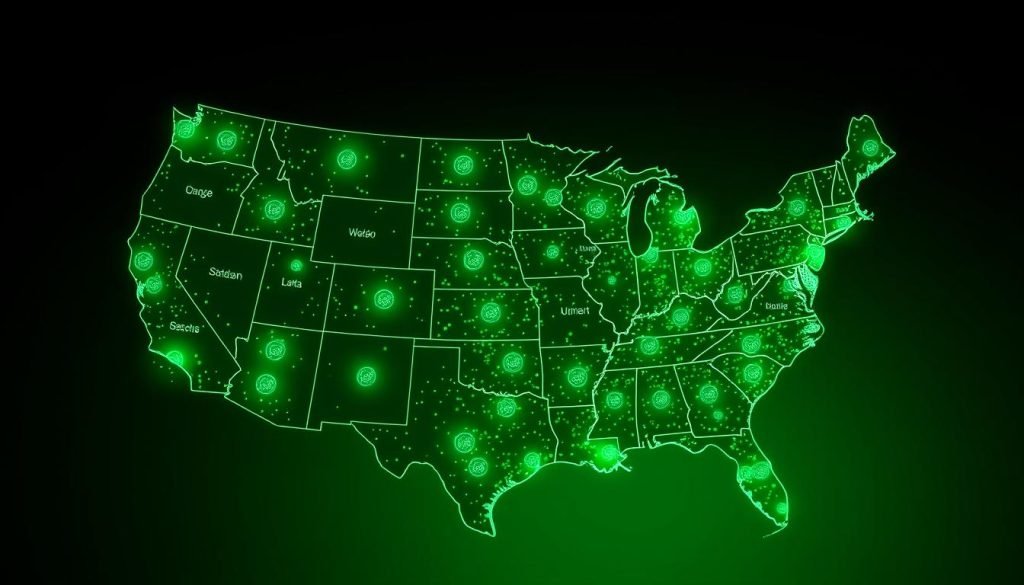
The United States is a diverse landscape when it comes to audio content consumption, with regional and demographic trends shaping engagement. Understanding these patterns is essential for creators and marketers aiming to maximize their reach.
Age and Gender Breakdown
Recent data shows that 59% of listeners aged 12-34 are actively tuning in, making this group a dominant force in the market. This younger demographic is highly engaged, often consuming content during commutes or while multitasking.
Gender distribution is nearly equal, with 53% male and 46% female listeners. This balance highlights the universal appeal of audio content, transcending traditional boundaries.
Regional and Geographic Insights
Listenership varies significantly across regions. Urban areas show higher engagement rates, driven by accessibility and diverse content preferences. In contrast, rural areas are catching up, with platforms like Spotify bridging the gap.
States like California and New York lead in consumption, while the Midwest and South are emerging as growing markets. These regional differences underscore the importance of tailoring content to local tastes.
“Understanding regional preferences can make or break your strategy. It’s not just about what you create, but where and how you share it.”
Platforms like Spotify dominate the market share, offering creators a vast audience. However, regional preferences for specific platforms can influence where you focus your efforts. For example, YouTube is preferred by 33.1% of listeners, while Apple Podcasts sees a 12.2% preference.
By analyzing these geographic and demographic insights, you can refine your strategy to connect with the right audience in the right regions.
Podcast Audience Demographics 2025: Who’s Listening and How to Reach Them
Numbers don’t lie, and when it comes to audio content, the stats are speaking volumes. In 2024, 47% of Americans tuned in to audio shows in the previous month, with a steady rise in weekly engagement. These figures are more than just numbers—they’re the foundation of effective strategies.
Essential Statistics and Figures
Understanding the data is crucial for targeting the right listeners. Weekly engagement rates have climbed to 34%, showing a growing appetite for audio content. Platforms like Apple Podcasts dominate the space, hosting over 2.7 million shows globally.
Here’s what the numbers reveal:
- 59% of listeners aged 12-34 engage monthly, making them a key demographic.
- Weekly consumption averages 8.3 episodes, with women slightly ahead at 9.5 episodes per week.
- Urban areas show higher engagement, but rural regions are catching up.
These statistics aren’t just informative—they’re actionable. By analyzing weekly and monthly trends, you can fine-tune your content to match listener preferences. For example, releasing episodes during peak listening hours can boost retention.
“Data is the compass that guides your strategy. It’s not just about creating content—it’s about creating the right content for the right audience.”
Platforms like Apple Podcasts are central to this growth, with 45% of new episode downloads happening there. Knowing these figures helps you make informed decisions, whether you’re a creator or a marketer.
In a fast-paced industry, staying ahead means understanding the numbers. Weekly engagement rates, monthly listener growth, and platform preferences are all pieces of the puzzle. Use these insights to refine your approach and connect with your audience effectively.
The Influence of Gender and Ethnic Diversity in Podcasting
The podcasting world is becoming more inclusive, reflecting the diverse voices of its listeners. This shift is not just about representation—it’s about creating content that resonates with a broader audience. Understanding these changes is essential for creators and advertisers aiming to stay relevant.
Evolving Demographic Shifts
Recent research highlights significant changes in listenership. White ethnicity’s share is declining, while Hispanic audiences and women are tuning in more than ever. For example, 41% of Latino listeners engage with Latino-hosted shows weekly, and women now make up 48% of all listeners.
These shifts are reshaping the industry. Multicultural listenership has surged by 396% over the past decade. This growth presents new opportunities for creators to connect with diverse communities.
Impact on Advertising Effectiveness
Diverse audiences respond differently to ads. For instance, 39% of Black listeners find sponsored messages more engaging when delivered by a Black announcer. Similarly, 53% of Latino listeners relate better to ads on Spanish-language shows.
These insights are invaluable for advertisers. Tailoring ads to specific demographics can significantly boost engagement and conversion rates.
Quality Production Tools and Apple’s Role
High-quality production is key to attracting and retaining listeners. Advances in technology, like those from Apple, are making it easier for creators to produce professional content. These tools help bridge the gap between diverse creators and their audiences.
Monetization Opportunities
Diverse audiences open new doors for monetization. Targeted ads that reflect the listener’s culture or background are more effective. For example, a financial services ad on a Spanish-language show saw an 11-point lift in brand awareness.
Actionable Strategies for Creators
- Focus on authenticity—listeners value content that feels genuine.
- Leverage data to understand your audience’s preferences and habits.
- Invest in quality production tools to enhance your show’s appeal.
- Collaborate with diverse creators to expand your reach.
“Inclusivity isn’t just a trend—it’s the future of podcasting. Embrace it to connect with your audience on a deeper level.”
By understanding and embracing these demographic shifts, you can create content that resonates with a wider, more inclusive audience. This approach not only enhances engagement but also opens up new avenues for growth and monetization.
Insights on Engagement and Listening Patterns
Engagement metrics reveal fascinating insights into how people interact with audio content. Weekly consumption rates show that 34% of Americans tune in regularly, with many spending over 10 hours a week listening. This level of commitment highlights the growing influence of this medium in our daily lives.
Weekly Consumption and Engagement Rates
Listeners are consuming an average of 8.3 episodes per week, with women slightly ahead at 9.5 episodes. This consistent engagement underscores the importance of creating content that resonates. Host-read segments, in particular, enhance connection by adding a personal touch.
High engagement rates also benefit advertisers. When listeners are invested, they’re more likely to respond to sponsored messages. This creates a win-win scenario for both creators and brands.
Activity-Based Listening Trends
Today’s listeners are multitaskers. They tune in while commuting, exercising, or doing household chores. This activity-based trend means content must be dynamic and engaging to hold attention.
Brands are leveraging these patterns to build community loyalty. By aligning content with listener habits, they create a seamless experience that fosters trust and connection.
“Understanding engagement trends is the first step to creating content that truly resonates.”
To stay competitive in this fast-paced industry, focus on authenticity and consistency. Use data to refine your approach and ensure your host connects with the audience on a deeper level. These strategies will help you sustain engagement and grow your brand.
Podcast Discovery and Platform Preferences
Finding the right platform to share your voice is essential in today’s digital age. With millions of shows available, understanding where your audience spends their time can make all the difference. Let’s explore the top platforms and strategies to boost your discoverability.
Top Directories: Spotify, Apple Podcasts, and YouTube
Spotify leads the pack with 37% of audio consumption, followed closely by Apple Podcasts at 33%. YouTube is also gaining traction, especially for video content. Each platform offers unique tools to help podcasters connect with their audience.
For example, Spotify’s algorithm suggests new shows based on listening habits, while Apple Podcasts remains a favorite for its user-friendly interface. YouTube, on the other hand, appeals to younger audiences who prefer visual media.
The Role of Social Recommendations
Social media plays a significant role in how listeners discover new content. According to recent data, 71% of people find shows through recommendations from friends and family. This word-of-mouth approach builds trust and encourages engagement.
Case in point: “When a friend recommends a show, I’m more likely to give it a try,” says one avid listener. Leveraging social platforms like Instagram and Twitter can amplify your reach and attract new listeners.
Demographic Insights
Platform preferences vary by age. Younger audiences (12-34) dominate Spotify and YouTube, while Apple Podcasts attracts a broader demographic. Understanding these trends helps you tailor your content and marketing efforts.
For instance, if your target audience is Gen Z, focusing on YouTube and Spotify might yield better results. Meanwhile, Apple Podcasts remains a reliable choice for reaching older listeners.
Strategies for Improved Discoverability
- Optimize your show’s metadata with relevant keywords.
- Collaborate with other podcasters to cross-promote episodes.
- Engage with your audience on social media to build a loyal community.
- Release episodes during peak listening hours to maximize visibility.
“The right platform can make or break your show’s success. Focus on where your audience is and meet them there.”
By understanding platform preferences and leveraging social recommendations, you can enhance your show’s discoverability and grow your audience effectively.
The Rise of Video Podcasts in 2025
Video content is reshaping how we engage with digital media, and podcasts are no exception. With 31% of users starting new shows on YouTube, video podcasts are rapidly gaining ground. This shift reflects a growing demand for visual storytelling that complements traditional audio formats.
Comparing Video and Audio Consumption
Consumption habits vary significantly between video and audio formats. While audio remains popular for multitasking, video offers a richer experience. For example, viewers spend an average of 25 minutes per session on video podcasts, compared to 15 minutes for audio-only shows.
During leisure time or evenings, many prefer video. The visual element enhances engagement, making it ideal for storytelling or tutorials. This trend is especially strong among younger audiences, who often watch while relaxing at the end of the day.
Enhancing the Viewer’s Experience
Incorporating video transforms the listener’s experience. Visual cues like facial expressions and body language add depth to conversations. This creates a more immersive connection between the host and the audience.
High-quality production is essential. Investing in good lighting, cameras, and editing tools ensures a professional look. Pairing excellent audio with crisp visuals elevates the overall experience and keeps viewers coming back.
Benefits of Video Podcasts
Video podcasts offer unique advantages. They are more shareable on social media, increasing discoverability. Platforms like YouTube also provide better monetization opportunities through ads and sponsorships.
For creators, video allows for greater creativity. You can incorporate graphics, animations, or live demonstrations to enhance your content. This versatility makes video podcasts a powerful tool for building a loyal audience.
Production Tips for Success
- Focus on both audio and video quality to deliver a seamless experience.
- Use engaging visuals to complement your narrative.
- Optimize your content for platforms like YouTube to maximize reach.
- Release episodes during peak viewing times, such as evenings or weekends.
“Video podcasts are not just a trend—they’re the future of content creation. Embrace them to connect with your audience on a deeper level.”
By integrating video into your strategy, you can stay ahead in this evolving landscape. Whether you’re a creator or a marketer, understanding these trends is key to success in 2025 and beyond.
When and Where Listeners Enjoy Podcasts
Understanding when and where people tune in can transform your content strategy. Research shows that most consumption happens during commute hours in the morning and evening. Mobile devices dominate, making it easy for listeners to engage on the go.
Daily Routines and Peak Listening Times
Morning and evening commutes are prime times for tuning in. Many listeners use this time to catch up on their favorite shows. Data reveals that 49% of people listen while driving, and 46% enjoy episodes while walking.
Peak listening hours are between 7-9 AM and 5-7 PM. These windows align with typical workday schedules. By releasing episodes during these times, you can maximize engagement and retention.
Environment and Context of Engagement
Listeners often multitask, tuning in at home, the office, or during workouts. This flexibility makes the medium highly adaptable to various lifestyles. For example, 59% of people multitask while listening, blending content with daily activities.
Content length plays a role here. Episodes between 20-40 minutes fit perfectly into these routines. Aligning your show’s duration with listener habits ensures a seamless experience.
“Timing is everything. Releasing episodes during peak hours can significantly boost your show’s reach.”
By understanding these patterns, you can refine your scheduling strategy. This approach not only enhances engagement but also builds a loyal following in the podcast industry.
Understanding Consumer Behavior and Purchase Decisions via Podcasts
Consumer behavior is deeply influenced by the content they engage with, and podcasts are no exception. Studies reveal that nearly half of listeners make purchases after hearing ads during their favorite shows. This highlights the power of this medium in shaping buying habits.
Impact of Podcast Advertising on Buying Habits
Advertising on this platform has proven to be highly effective. Research shows that 53% of listeners are likely to purchase a brand they heard advertised. This is significantly higher than other platforms like TikTok or Instagram.
Host-read ads, in particular, build trust. “When the host recommends a product, it feels like a friend’s suggestion,” says one listener. This personal connection drives higher conversion rates.
Effective Monetization Strategies
Monetization has become more sophisticated, with strategies tailored to specific demographics. Subscription models and host-read ads are among the most effective. These methods not only generate revenue but also enhance listener engagement.
Key metrics like monthly engagement and ad conversion rates are crucial. By analyzing this data, creators can refine their ad placements for maximum impact. For example, mid-roll ads tend to perform better due to higher listener attention.
“Data-driven strategies are essential for success. They help you connect with the right audience at the right time.”
Actionable strategies include using unique promo codes and vanity URLs to track conversions. These tools provide valuable insights into what works and what doesn’t.
- Focus on host-read ads to build trust and drive sales.
- Use subscription models to create a steady revenue stream.
- Analyze monthly engagement data to optimize ad placements.
- Leverage demographic insights to target the right audience.
By understanding consumer behavior and leveraging effective monetization strategies, creators can maximize their impact and revenue in this growing medium.
Leveraging Podcast Statistics for Marketing Success
Data-driven strategies are reshaping how we approach content creation and marketing. By analyzing listener metrics, you can unlock new opportunities for growth and refine your strategy to meet audience demands. Let’s explore how statistics can guide your decisions and maximize your impact.
Insights from Popular Podcast Genres
Certain genres are experiencing robust growth, offering valuable insights for marketers. For example, true crime shows have seen a surge in popularity, with listeners tuning in for gripping narratives. Comedy and news genres also dominate, appealing to a wide range of audiences.
Understanding these trends helps you tailor your content. If your target audience enjoys crime stories, incorporating similar elements can boost engagement. Similarly, aligning with comedy or news themes can attract specific listener segments.
Using Data to Refine Your Content Strategy
Metrics like download numbers and unique listeners provide a clear picture of your audience’s preferences. For instance, if your show performs well during morning commutes, releasing episodes early can maximize reach. Analyzing these patterns ensures your content aligns with listener habits.
Continual measurement is key. Regularly reviewing data allows you to adapt and stay relevant. For example, if listening rates drop, tweaking your format or release schedule can reignite interest. This proactive approach keeps your strategy dynamic and effective.
“Data isn’t just numbers—it’s the story of your audience. Use it to craft content that resonates.”
Here are actionable steps to leverage data effectively:
- Focus on genre-specific insights to target your audience.
- Analyze peak listening times to optimize release schedules.
- Use metrics to identify gaps and opportunities in your content.
- Invest in tools that provide detailed analytics for better decision-making.
For example, shows focusing on education often see higher engagement during weekdays. By aligning your content with these trends, you can maximize your impact. A data-driven approach reduces uncertainty and ensures your marketing efforts hit the mark.
Innovative Podcast Production and Equipment Trends
The tools and technology behind content creation are evolving at an unprecedented pace. From microphones to AI-powered editing software, the right equipment can significantly enhance your production quality and audience engagement. Let’s explore the latest trends shaping the industry.
Top Microphones and Accessories
High-quality audio starts with the right microphone. The Blue Yeti remains a top choice in the United States, known for its versatility and ease of use. Its USB connectivity makes it ideal for beginners and professionals alike.
Accessories like pop filters and boom arms are also essential. They help reduce background noise and ensure clear, crisp audio. Investing in these tools can elevate your production value and make your content stand out.
Adoption of AI and High-Quality Production Tools
AI is revolutionizing how content is created and edited. Over 57% of creators now use AI-powered tools to streamline processes like noise reduction and transcription. These tools save time and improve overall quality.
Platforms like Descript and Adobe Audition integrate AI to simplify editing. They allow creators to focus on storytelling while the software handles technical details. This shift is making high-quality production accessible to everyone.
“Advanced tools are no longer optional—they’re essential for staying competitive in today’s market.”
Here’s how to choose the right equipment for your needs:
- Start with a reliable microphone like the Blue Yeti for clear audio.
- Invest in accessories to enhance sound quality and reduce distractions.
- Explore AI tools to streamline editing and save time.
- Consider your budget and production goals when selecting equipment.
By embracing these trends, you can create professional-grade content that resonates with your audience. Whether you’re a beginner or a seasoned creator, the right tools can transform your workflow and elevate your results.
Analyzing Future Trends and Market Projections
The future of audio content is being shaped by rapid advancements and shifting listener behaviors. As the industry evolves, understanding these trends is crucial for creators and advertisers alike. Let’s explore what lies ahead and how you can stay ahead of the curve.
Global Growth Forecasts and Challenges
Projections indicate that the number of person listen podcast will continue to rise globally. By 2026, the united States alone is expected to have over 114 million listeners. This growth is driven by increased accessibility and diverse content offerings.
However, challenges remain. Discoverability is a major hurdle, with millions of shows competing for attention. Measuring ROI is another concern, as advertisers seek clearer metrics to justify investments. “The key is to focus on quality and relevance,” says one industry expert.
Opportunities for Emerging Podcasters
Despite market saturation, there are ample opportunities for new creators. Niche content is gaining traction, allowing creators to connect with specific audiences. Platforms like YouTube and Spotify are also leveling the playing field, offering tools to enhance discoverability.
Emerging technologies, such as AI-powered editing, are making production more accessible. These tools reduce costs and streamline workflows, enabling creators to focus on storytelling. Strategic podcast advertising can further amplify reach, as highlighted by this source.
“The future belongs to those who adapt. Embrace innovation to connect with your audience in meaningful ways.”
Here are actionable strategies to capitalize on these trends:
- Focus on niche content to stand out in a crowded market.
- Leverage AI tools to enhance production quality and efficiency.
- Use data-driven insights to refine your content and ad placements.
- Collaborate with other creators to expand your reach.
By staying informed and adaptable, you can navigate the challenges and seize the opportunities in this dynamic industry. The future is bright for those who are ready to innovate.
Strategies for Reaching a Diverse Podcast Audience
Reaching a diverse audience requires more than just great content—it demands strategy. In a competitive landscape, understanding your listeners and tailoring your approach can make all the difference. Let’s explore actionable ways to connect with varied demographics and build a loyal community.
Tailoring Content for Specific Demographics
Customization is key. Different groups have unique preferences, and your content should reflect that. For example, younger audiences might prefer shorter, dynamic podcast episodes, while older listeners may value in-depth discussions. Research your target demographic to create relevant and engaging material.
Localized approaches also matter. Tailoring content to specific state or regional interests can boost engagement. For instance, a show focusing on local news or culture in California will resonate more with listeners there than a generic format.
Building and Sustaining a Loyal Community
Consistency is crucial. Regularly releasing podcast episodes keeps your audience engaged and coming back for more. Use social media and email newsletters to stay connected and gather feedback. This two-way communication fosters trust and loyalty.
Case studies from major platforms like Spotify and Apple Podcasts show that shows with active communities thrive. For example, a true crime series that interacts with listeners through Q&A sessions or polls sees higher retention rates.
“Understanding your audience’s needs and preferences is the foundation of any successful strategy.”
By implementing these strategies for creating a podcast that appeals to diverse, you can expand your reach and build a dedicated following. The key is to stay adaptable and always put your listeners first.
Conclusion
The landscape of digital audio is transforming at an unprecedented pace, driven by innovation and audience engagement. As we’ve explored, understanding your audience is the cornerstone of success in this dynamic space. By leveraging data-driven insights, you can create content that resonates and builds lasting connections.
This year, the focus has shifted toward quality and relevance. Every show benefits from a strategic approach that prioritizes the listener’s needs. Whether you’re a creator or advertiser, the key lies in delivering value through targeted and impactful messaging.
Looking ahead, the future is bright. Emerging technologies and evolving listener behaviors are opening new doors for growth. By staying adaptable and embracing innovation, you can position yourself at the forefront of this exciting industry.
“The right strategy today will shape your success tomorrow. Embrace the change and lead with confidence.”
Here’s how you can stay ahead:
- Focus on creating high-quality content that aligns with your audience’s preferences.
- Use data to refine your approach and maximize engagement.
- Invest in tools and technologies that enhance your show’s production value.
- Stay informed about trends to adapt and thrive in this ever-changing landscape.
As we move forward, the opportunities are limitless. By understanding your audience and delivering exceptional content, you can build a loyal following and achieve your goals. The future of digital audio is here—make it yours.
Final Thoughts and Next Steps
The digital audio space is evolving rapidly, offering endless opportunities for creators and brands. By understanding listenership trends, you can craft strategies that resonate deeply with your audience. Now is the time to innovate and redefine engagement.
Applying these insights allows you to launch or refine your new podcast with confidence. Leverage AI tools and optimize content for mobile platforms to stay ahead. Staying informed and agile ensures you thrive in this dynamic landscape.
Take the next step today. Explore related resources and tools to continue building your success. The future of digital audio is yours to shape—embrace it with clarity and purpose.
Leave a Reply