

Sign up now to Podcast Hawk for a 7 DAY FREE TRIAL – to start getting on Podcasts today.
Did you know that 82% of consumers think a well-branded podcast shows a company is professional and competent? This fact shows how powerful podcasts can be for tracking brand feelings. With the podcast industry growing fast, it’s now worth $23.56 billion, it’s a great chance for marketers to reach their audience.
Podcasts are changing how we market brands. They have 464.7 million listeners worldwide in 2023 and could have half a billion by 2024. This growth means more people are spending time with their favorite shows. Over 80% of listeners spend more than seven hours a week on their top shows, making it a great place for checking how people feel about brands.
Using podcast guest data to track brand feelings is key for smart marketers. It’s not just about being talked about. It’s about knowing how your brand connects with listeners. With 67% of podcast fans feeling a personal link to brands through stories, there’s a big chance for positive feelings. By using podcast data, companies can quickly see how people see them and change their plans.
Key Takeaways
- 82% of consumers associate well-branded podcasts with professionalism
- The podcast industry is valued at $23.56 billion
- 464.7 million global podcast listeners in 2023
- 80% of listeners spend over 7 hours weekly on podcasts
- 67% of listeners feel personally connected to brands through podcasts
- Podcast data offers real-time brand sentiment insights
Understanding the Importance of Podcast Metrics
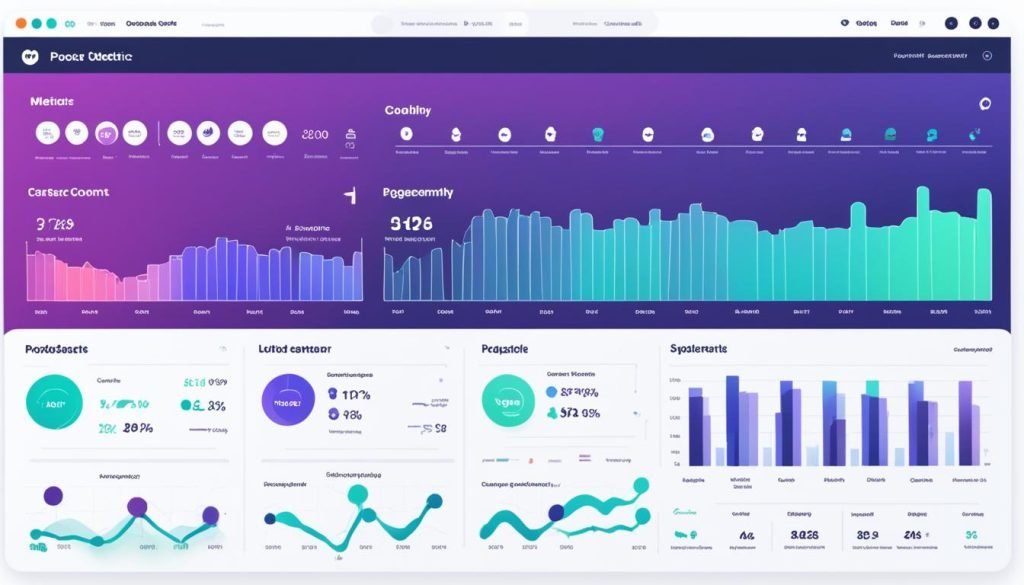
Podcasting has grown a lot, with 464.7 million listeners worldwide in 2023. This shows how important it is for creators to know about podcast metrics. By tracking how well our podcasts do, we can make better content and grow our audience.
Why Tracking Podcast Performance Matters
Podcast metrics give us key insights about our listeners. We can see how many listen, where they’re from, and how long they listen. This info helps us make content that our audience likes. It’s not just about numbers; it’s about really understanding our audience.
Key Benefits of Analyzing Podcast Data
Analyzing podcast data has many benefits:
- Improved content quality
- Better audience engagement
- Increased brand awareness
- Attract potential sponsors
With 56% of podcast listeners thinking about buying something after hearing ads, knowing our audience is key for brand growth.
The Role of Metrics in Podcast Growth
Audience engagement metrics are crucial for podcast growth. They help us see what content our listeners like. By tracking these metrics, we can make our strategy better and reach more people. Remember, 87% of Americans trust podcast information, making it a strong way to build brand trust.
Podcast metrics are the compass guiding us to success in the ever-expanding audio landscape.
By using podcast metrics well, we can make content that entertains and drives real business results.
Podcast Guest Data: Track Brand Sentiment

Tracking brand sentiment through podcast data gives us deep insights into what listeners think. With 6 million podcast titles on Spotify, it’s key to know what people like. By analyzing how people feel about a brand, podcasters can see if their content hits the mark.
Podcast data shows us how engaged listeners are. About 78% of episodes get listened to halfway through. This shows how important it is to keep track of how people react to each episode.
Looking at how people feel about a podcast is more than just numbers. Download counts and subscribers tell us a lot, but sentiment analysis digs deeper. It helps podcasters see what they’re doing right and where they can get better.
- Social media reach impacts brand sentiment
- Ratings influence podcast visibility
- Audience demographics shape content strategy
We use tools to sort listener feedback into positive, negative, or neutral. This helps us quickly address any issues and keep a good image in real-time.
“Understanding audience perception is key to crafting content that resonates and builds lasting connections with listeners.”
By using brand sentiment analysis with podcast data, we get a full picture of what listeners think. This helps us make better content, improve the listening experience, and grow the podcast.
The Rise of Podcasting in Brand Marketing
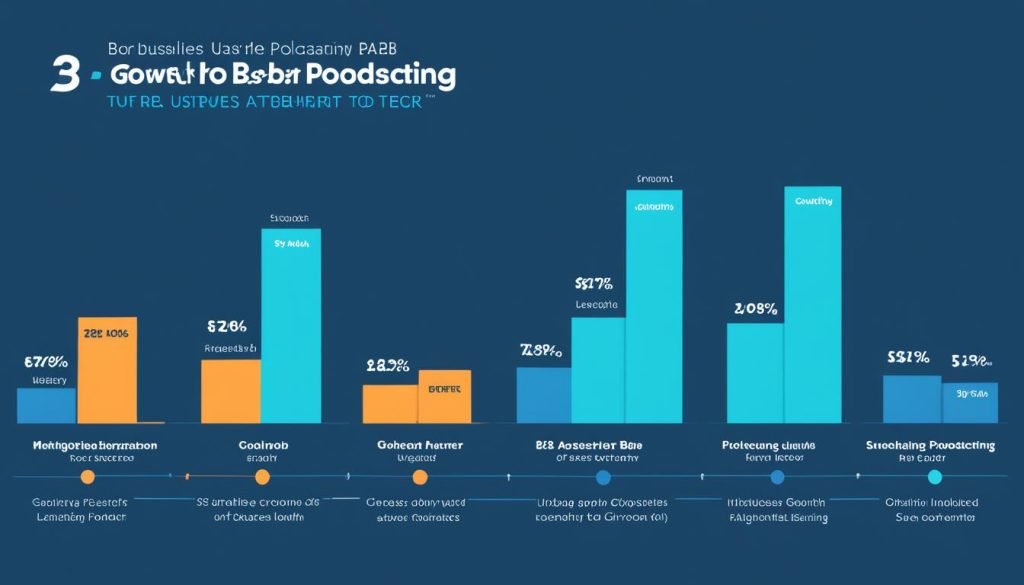
Podcasting is now a key tool for B2B marketers. It has over 414 million podcasts worldwide and is worth $23.56 billion. In 2023, 42% of Americans aged 12 and older listened to podcasts, up from 12% in 2013. This growth offers great chances for brands to get noticed and build trust.
Podcasting’s Popularity Among B2B Marketers
B2B podcasting is becoming more popular as a marketing strategy. One in four internet users listens to podcasts, and 66% prefer them over TV. This change in how people consume media has caught the eye of B2B marketers. Brands that use podcast marketing see a 89% increase in audience engagement and a 14% rise in purchase intent.
Opportunities for Brand Awareness and Trust Building
Podcast marketing has big benefits for building brand awareness. With 48% of listeners tuning in to learn something new, it’s a great way to share knowledge. Brands like Trader Joe’s, Slack, and Sephora have used podcasting to grow a community and set their brand voice.
Trust is key in B2B relationships. Podcasts are great at building trust, with 87% of Americans thinking podcast info is accurate, compared to just 39% for social media. This trust makes podcasting a powerful tool for credibility and building long-term business relationships.
“Podcasting can help brands gain and maintain credibility and trust.”
The podcasting world is growing, and B2B marketers who use it will get ahead in brand awareness and trust. By using audio content, businesses can connect deeply with their audience and achieve long-term success.
Defining Podcasting ROI
Podcast ROI is about how much money a podcast makes compared to what it costs. We look at the profits and the costs to see if it’s a good investment. This helps us know if our podcast is doing well.
To figure out the return on investment, we check different things. Expenses include things like audio gear, editing, and hosting. Income can come from ads, more website visitors, selling products, and sponsorships.
- Subtract investment from revenue
- Divide the result by investment
- Multiply by 100 to get a percentage
Let’s say an episode makes $600 and costs $250 to make. The math would be:
($600 – $250) / $250 x 100 = 140% ROI
This shows how powerful podcasting can be for marketing. With ads expected to bring in $2.6 billion in 2022, companies see its value.
63% of listeners trust podcast hosts, making it a great way to build trust in a brand.
By tracking ROI, we can make smart choices for our podcast. This helps us get the best results.
Direct vs. Indirect ROI in Podcasting
Podcasting lets businesses reach out to their audience in a special way. We look at the different kinds of returns on investment (ROI) in podcasting. We also talk about what to expect from podcast performance.
Understanding Direct ROI Benefits
Direct ROI in podcasting means seeing results right away. These results include more people knowing about your brand, more audience interaction, and a better brand image. Research shows that branded podcasts can make brand awareness jump by 89% and brand favorability by 24%.
Exploring Indirect ROI Outcomes
Indirect ROI talks about long-term gains that are harder to measure. These can be more authority in your field, more loyal customers, and a shorter time to make a sale. For instance, GE’s podcast “The Message” became the top podcast in the US. This greatly increased their brand’s visibility.
Setting Realistic Expectations for Podcast Performance
It’s important to set goals that match your business aims when looking at podcast performance. Focus on things like brand awareness, how engaged people are, and building your authority. Top podcasts for brands get up to 85% of listeners to finish the whole show, showing they really connect with their audience.
- Set clear, measurable goals aligned with your business strategy
- Track both direct and indirect ROI metrics
- Be patient – building a loyal audience takes time
- Invest in quality equipment for professional-sounding content
Remember, making a podcast successful takes time and effort. By looking at both direct and indirect ROI, businesses can use podcasts to grow their brand and engage with customers.
Essential Podcast Metrics to Track
Tracking key performance indicators is key for podcast success. We’ve found several important metrics that give deep insights into how well listeners engage and how well the podcast does overall.
Downloads are a top metric, showing how popular a podcast is and its reach. This info helps see growth and find topics that hit the mark with listeners. Listens, or plays, tell us how much people like the content and if they keep coming back.
Subscriptions and followers show how loyal the audience is. These, along with listener demographics, help make content that really speaks to people. Metrics like average listening time and completion rates give us a closer look at how satisfied listeners are.
- Total downloads per episode
- Audience engagement rates
- Follower count
- Chart position within genre
- Listener demographics
Podcast analytics tools give us a lot of info on where listeners are and what devices they use. Tools like Chartable and Podkite give us detailed insights, including who listeners are and how they engage. These tools work well with data from hosting platforms, giving a full view of how the podcast is doing.
In 2023, 464.7 million people listened to podcasts worldwide, with projections reaching half a billion by the end of 2024.
By keeping an eye on these metrics, podcasters can make their content better, boost marketing, and grow. Remember, the aim is to get better, not to compare with others. Focusing on keeping listeners engaged and listening to their feedback is crucial for success over time.
Measuring Brand Sentiment Through Podcast Data
Podcasts are a goldmine for brand sentiment data. We use advanced tools like natural language processing and voice data mining to dig into this info. These methods help us see how people feel about brands in podcast talks.
Natural Language Processing for Sentiment Analysis
Natural language processing lets us check out podcast transcripts and what listeners say. It spots feelings like happiness, sadness, or nothing special about brands. By watching these feelings over time, we learn how brands are seen differently.
Tracking Audience Engagement Metrics
Looking at how people engage with podcasts tells us a lot about brand feelings. We check:
- Download numbers
- Listening time
- Social media shares
- Subscriber growth
More engagement usually means people like the brand more. For instance, a jump in downloads after a brand shoutout shows more interest.
Voice Data Mining for Brand Insights
Voice data mining pulls out insights from what people say in podcasts. It uncovers:
- Tone when talking about brands
- How often brands are mentioned
- Why brands are talked about
This info shows us how hosts and guests see brands. When they talk about brands in a happy way, it’s likely good for the brand’s image.
“Understanding brand perception through podcast data is like having a direct line to your audience’s thoughts and feelings.”
By using these approaches together, we get a full picture of how brands are seen in podcasts. This info helps marketers make smart choices and tweak their podcast plans.
Leveraging Content Analysis for Podcast Optimization
Content analysis is key for making podcasts better. We look at what listeners say, how they engage, and what topics they like. This helps us make content that really speaks to our audience. We learn what topics are hits, how to structure episodes, and how to send our message better.
Most podcasts get the most downloads right after they start. But, these numbers often drop over time. To keep listeners coming back, we use content analysis. It helps us understand what our audience wants and keeps them interested.
Here are some important points from our analysis:
- Shorter micro-episodes get more downloads and keep listeners hooked
- Content that teaches, guides, or inspires gets more downloads
- When more than 80% of people listen to an episode, it shows they really care
With these insights, we can make our podcast more effective. For instance, if people like short episodes, we might make them even shorter.
“Understanding audience preferences is key to podcast optimization. It allows us to create content that truly resonates with our listeners.”
Content analysis also lets us see how our podcast is growing. We look at things like how many new listeners we get, how often they stream our episodes, and how many subscribe. This info helps us make better choices for our podcast and keep improving it.
Integrating Podcast Data with Influencer Marketing Strategies
Podcast data is key for influencer marketing. By 2022, 62% of Americans knew about podcasting. This growth means brands can reach more people.
Identifying Potential Brand Ambassadors
Looking at podcast metrics helps find brand ambassadors. We check engagement, demographics, and topic fit. Those who connect well with listeners are great for marketing.
Measuring Influencer Impact on Brand Sentiment
It’s important to track how people feel about brands through podcasts. Tools like Brand24 help us listen to what people say. This info helps us pick the right influencers.
Influencer marketing in podcasts feels real and trustworthy. It uses the trust between hosts and listeners. Working with the right influencers can greatly increase brand visibility and reach new people.
“Leveraging influencer marketing helps drive podcast engagement and enhances promotional efforts through authentic content sharing.”
Good podcast marketing mixes influencer work with great content. It’s a process that needs constant work and change. By using podcast data with influencer strategies, we make marketing that really speaks to listeners and grows brands.
Tools and Techniques for Podcast Data Collection and Analysis
Podcast analytics tools are key to understanding what listeners like and how to make content better. With over two million podcasts out there, it’s crucial to use smart ways to collect data. We’ll look at important tools and methods for getting key insights on your audience.
Analytics from Apple Podcasts, Spotify, and Google Podcasts give basic info on listeners. You can see how many downloads you get, where your listeners are from, and how well each episode does. For more detailed info, tools like Chartable or Podtrac give you a lot more data.
Social listening tools like Brand24 track what people say about your podcast online. They tell you if people are talking about you in a good, bad, or neutral way. This helps podcasters see how their audience feels and how they stack up against others.
- Track listener engagement metrics
- Monitor lead generation and sales conversion rates
- Analyze reviews on platforms like iTunes and Stitcher
- Evaluate download rates for guest episodes
Advanced methods use natural language processing to analyze your content. This helps spot what topics are hits and plan better for the future. Tools like Google Trends help keep you on top of trends in your podcast area.
“Understanding podcast data is vital for measuring ROI and enhancing overall podcast performance.”
By using these tools and methods, podcasters can get deep insights into their audience. This approach leads to better content, smarter marketing, and growth for your podcast.
Translating Podcast Insights into Actionable Marketing Strategies
Podcast data is full of insights that can change marketing strategies. We’ve seen that using data in marketing makes campaigns more effective and engages audiences better. Let’s see how to use podcast analytics as powerful marketing tools.
Refining Content Based on Sentiment Data
Refining content is crucial to keep audiences interested. By looking at sentiment data from listeners, we can see what topics really hit home. This helps us make more of what our audience loves and less of what they don’t.
- Focus on themes that generate positive sentiment
- Adjust content length based on engagement metrics
- Address listener questions in future episodes
Adapting Marketing Approaches to Audience Preferences
Marketing that focuses on the audience is key. Podcast data shows us what our listeners like, helping us tailor our approach. For instance, if they like visual content, we might make more videos from our podcasts for social media.
Enhancing Brand Messaging Through Data-Driven Insights
Data-driven insights help us refine our brand messaging. By looking at which episodes do well, we can match our brand voice with what our audience likes. This way, our marketing isn’t just heard; it’s felt by our audience.
“Podcasts have shown higher engagement and retention rates compared to written content.”
By using these strategies, we turn podcast data into strong marketing tools. This approach leads to more effective campaigns, stronger connections with our audience, and better business results.
Conclusion
We’ve looked at how podcast data analysis and tracking sentiment help improve marketing. We’ve seen key insights that can change how brands work. By using analytics, brands can make the most of their podcast.
Statistics show us a lot. For example, 30% of people find new podcasts online, and 17% through social media. This shows how big the digital impact of podcasts is. Brands that use podcasts well can see a 23% increase in revenue. This shows why it’s key to link podcast strategies with marketing.
Tools for analyzing brand sentiment give us a lot of info. For example, Marvel got over 2 million mentions in five months. Sentiment changed with movie releases. This feedback helps brands adjust fast, improving their scores and marketing.
Looking ahead, combining podcast data analysis and tracking sentiment is key for marketers. By setting SMART goals and measuring ROI, brands can make better content. They can connect more with their audience. The podcast world is full of chances for those who listen and learn from data.
Leave a Reply