
Sign up now to Podcast Hawk for a 7 DAY FREE TRIAL – to start getting on Podcasts today.
Imagine being able to dive into a 360-degree audio world, where reality and virtual spaces blend. This is what xr podcasting makes possible. It’s changing how we tell stories, create, share, and enjoy content. As we dive into xr podcasting, 360-degree audio, and interactive storytelling, you might ask: Can xr podcasting change how we listen to audio?
Xr podcasting combines virtual, augmented, and mixed reality. It lets podcasters craft immersive stories that feel real. You can boost your brand and share your story through podcasts. With xr podcasting, the possibilities are limitless.
We’ll explore how 360-degree audio and interactive storytelling are changing podcasts. With xr podcasting, you can take your listeners on exciting journeys. It makes stories more engaging and easy to follow.
Key Takeaways
- Xr podcasting is revolutionizing the way we engage with audio content
- 360-degree audio and interactive storytelling are key components of xr podcasting
- Xr podcasting has the potential to transform industries such as entertainment, education, and healthcare
- Immersive audio experiences can simulate real-world environments, making interactive storytelling more accessible and engaging
- Xr podcasting offers new opportunities for podcasters to boost their brand and promote their productive self
- The future of xr podcasting looks promising, with advances in technology and integration with AI
- Xr podcasting can create new and innovative ways to engage with audio content, making interactive storytelling more immersive and interactive
The Revolution of XR (Extended Reality) Podcasting
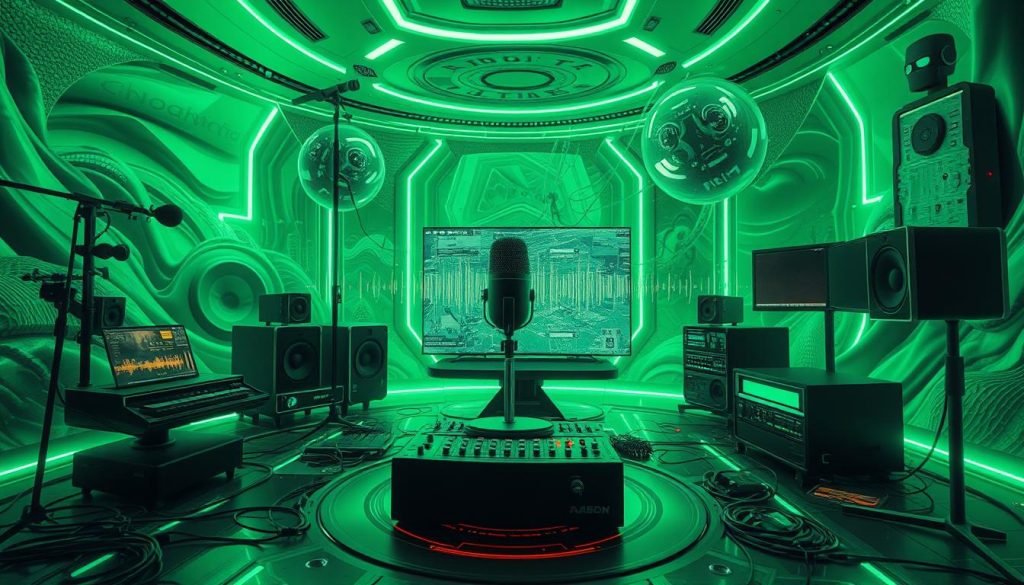
XR podcasting is changing how we listen to audio. Virtual reality content creation lets podcasters create immersive experience design. This makes listening more interactive and fun. Augmented reality podcast elements also add a personal touch to our listening.
XR podcasting combines real and virtual worlds. It uses virtual reality content creation and immersive experience design to take listeners on new adventures. The augmented reality podcast format makes experiences interactive and real yet fantastical.
360-degree audio and spatial sound design are key in XR podcasting. They make listening more immersive and engaging. These technologies are used in augmented reality podcast and virtual reality content creation. As XR podcasting grows, we’ll see even more exciting and interactive shows.
Understanding 360-Degree Audio in Modern Podcasting

We’re at the start of a big change in how we tell stories through sound. 360-degree audio and spatial audio production are changing podcasts. They make listeners feel like they’re right in the story, with sounds all around them.
360-degree audio makes listening feel more real and fun. It’s key for xr storytelling techniques, which aim to pull you into the story. Podcasters can take listeners on amazing journeys, making them part of the adventure.
This technology is changing podcasts in big ways. With spatial audio production and xr storytelling techniques, podcasters can make stories that feel real. It’s important for anyone making podcasts to know how 360-degree audio can improve their stories.
Some cool things about 360-degree audio include:
- Enhanced stereo recordings that make sounds feel like they are coming from all directions
- Precise sound positioning in a 3D space, creating a more immersive experience
- The ability to mix content with up to 7.1.2 channels and up to 118 sound objects, creating a rich and detailed soundscape
As we explore 360-degree audio, the possibilities are endless. With xr storytelling techniques and spatial audio production, we can make stories that take listeners on incredible journeys. The future of podcasting is looking very exciting, and we can’t wait to see what’s next.
The Power of Spatial Sound Design
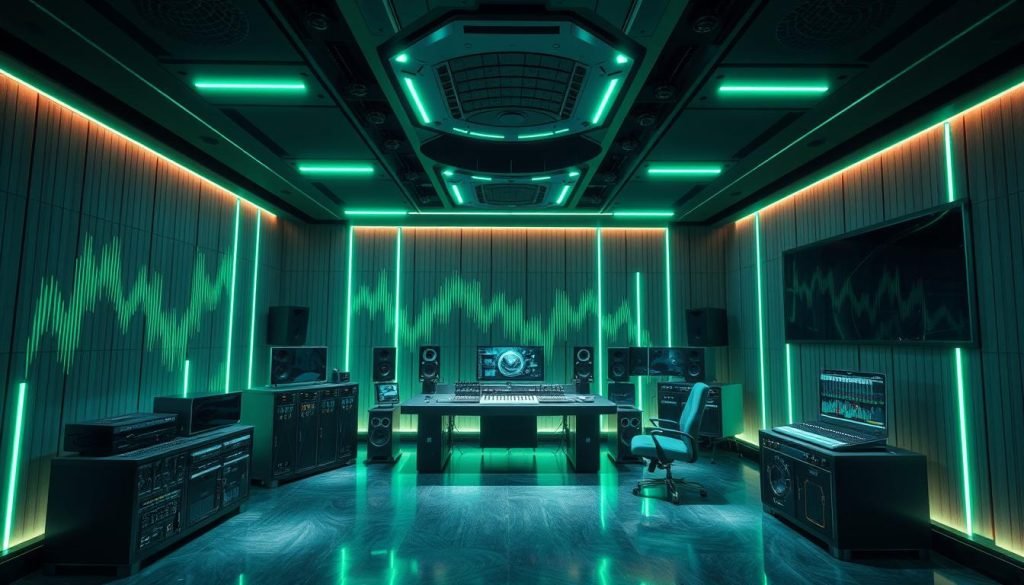
Exploring XR podcasting shows us how vital spatial sound design is. It helps create immersive audio experiences. Podcasters use spatial audio to make soundscapes that take listeners to new places.
Immersive experience design is key here. It makes audio experiences interactive and dynamic. This draws listeners in and keeps them engaged.
One big plus of spatial sound design is how it improves the listener experience. Podcasters use it to make listeners feel like they’re part of the story. This is crucial for interactive podcasting, where listeners can dive deeper into the content.
Examples of this include 3D audio and binaural recording. These techniques create immersive soundscapes.
To achieve this immersion, podcasters need the right tech. They must invest in quality audio equipment and software. They also need to understand spatial audio production well.
This way, podcasters can make audio experiences that stick with listeners. As XR podcasting grows, it will be exciting to see how spatial sound design and immersive experience design shape it.
Interactive Storytelling Techniques in XR Podcasts
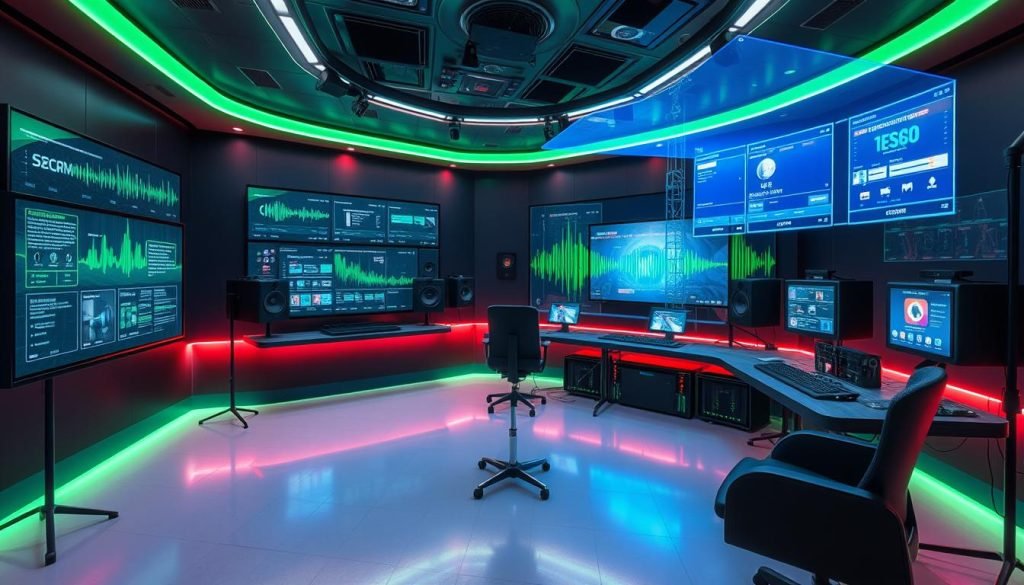
In the world of XR podcasting, interactive storytelling is key. It lets podcasters draw listeners into their world. With xr storytelling techniques, creators make experiences that feel real yet virtual.
Interactive storytelling in XR podcasts boosts audience engagement. It gives listeners a chance to control the story. For instance, virtual reality content creation lets listeners explore and interact with virtual spaces.
- Branching narratives, where listener choices affect the story
- Interactive sound design, where listeners can manipulate audio elements
- Virtual reality experiences, where listeners can explore and interact with virtual environments
By using xr storytelling techniques in their podcasts, creators offer a deeper, more engaging experience. As XR podcasting grows, we’ll see even more creative uses of virtual reality content creation and interactive storytelling.
Virtual Reality Integration in Audio Content
Exploring XR podcasting, virtual reality content creation is key to better listener experiences. VR in audio content makes podcasts more engaging. It draws listeners into the story.
VR in audio content has many uses. It can make stories come alive in augmented reality podcasts. It can also create immersive experience design that feels like real life. Choosing the right VR hardware and designing how listeners interact with it are important steps.
VR Hardware Considerations
When picking VR hardware, think about resolution, field of view, and latency. These help make the listening experience smooth and real.
Creating Visually Enhanced Audio Experiences
Combining great audio with stunning VR visuals makes podcasts unforgettable. This can include 360-degree videos, interactive parts, and realistic sounds.
Navigation and Interaction Design
Good navigation and interaction design are key. They make sure listeners can easily enjoy the VR experience. This means easy controls, clear directions, and a simple interface.
By getting good at virtual reality content creation and immersive experience design, podcasters can tell stories in new ways. As VR tech gets better, we’ll see more cool uses in audio content. This will make the line between real and virtual reality even thinner.
The Role of Augmented Reality in Modern Podcasting
Exploring augmented reality podcast shows how it’s changing audio content. Now, listeners are not just passive. They’re active in the stories.
xr podcasting technology lets creators make content that feels real. It’s changing how we listen and interact with the world.
Some big benefits of augmented reality podcast are:
- Enhanced listener engagement
- Increased interactivity
- Improved storytelling capabilities
As interactive podcasting trends grow, so will xr podcasting uses. It’s an exciting time for podcasters, whether new or experienced.
Production Challenges and Solutions
Exploring xr podcasting reveals key production hurdles. One major issue is the need for advanced technical setup. This includes using top-notch gear like 360-degree cameras and spatial audio recorders. These tools are crucial for creating engaging xr podcast content.
Another important factor is setting up efficient content creation workflows. A well-organized workflow is key for smooth production. This involves using project management tools and working with a team of experts in xr podcasting.
Ensuring quality is also a must. A thorough testing process is needed to guarantee the best results. This includes checking audio and visual quality and making sure the immersive experience is effective. By tackling these challenges and finding solutions, creators can make high-quality xr podcasts that engage and inspire listeners.
Audience Engagement Strategies in XR Podcasting
In XR podcasting, it’s key to think about how to keep listeners hooked. Using interactive podcasting trends like immersive stories and interactive bits can make the experience better. This way, podcasters can make their shows more engaging and real.
Using xr storytelling techniques is a great way to draw listeners into new worlds. These methods help listeners feel like they’re part of the story. This connection makes them more loyal and interested in what’s coming next.
Immersive experience design is also vital. Podcasters can make the audio feel like you’re right there by using 3D sound and other cool tricks. This makes listeners feel like they’re part of the action.
Some cool ways to keep listeners engaged include interactive quizzes and games. These can be part of the podcast or extra content. They make the experience more fun and interactive.
By using these strategies, podcasters can make their shows more engaging and immersive. This helps build loyalty and grow their audience in XR podcasting.
Monetization Opportunities in Extended Reality Audio
Exploring xr podcasting opens up new ways to make money. With virtual reality and augmented reality podcasts, there are more chances to earn. You can work with brands to reach your audience in new ways.
Another idea is to offer special content for those who pay. This could be exclusive episodes or behind-the-scenes looks. Fans can support their favorite podcasters by subscribing. This way, your passion for xr podcasting can become a real business.
- Developing engaging and interactive content that appeals to a wide range of listeners
- Building a loyal community of fans who are willing to support your work
- Exploring innovative sponsorship models that align with your brand and values
By focusing on these areas, you can unlock the full potential of xr podcasting. This can lead to a successful and profitable business.
The Future of Immersive Audio Entertainment
Looking ahead, immersive experience design will be key in the audio entertainment world. With interactive podcasting trends on the rise, listeners want more. Xr storytelling techniques will help create stories that take listeners on amazing journeys.
The future isn’t just about tech; it’s about making experiences that touch listeners. Xr technologies are already changing many fields. With immersive experience design, we can make audio that’s not just fun but unforgettable.
- More interactive podcasting trends for better listener experiences
- Using xr storytelling techniques for deeper stories
- Focusing on immersive experience design for lasting audio experiences
The industry will keep growing, bringing new uses for immersive experience design, interactive podcasting trends, and xr storytelling techniques. The future of immersive audio is bright and full of possibilities.
Breaking Down Success Stories and Case Studies
Exploring xr podcasting, we find success stories and case studies that show its potential. These examples help us understand what makes virtual reality and augmented reality podcasts successful. They offer insights into what works and what doesn’t.
Interactive storytelling experiences are a big part of xr podcasting’s success. They combine amazing visuals with immersive audio. This creates an engaging experience for listeners. For example, 360-degree audio lets listeners feel like they’re part of the story.
Let’s look at some key statistics to understand xr podcasting’s impact:
- Increased audience engagement through interactive storytelling
- Improved brand awareness through immersive experiences
- Enhanced customer experience through augmented reality podcast production
By studying these success stories, we can create our own effective xr podcasting experiences. We can use virtual reality and augmented reality to captivate and inspire our audiences.
Conclusion: Shaping the Next Generation of Audio Storytelling
XR (Extended Reality) podcasting is changing how we listen to audio. It combines immersive sounds, interactive stories, and advanced sound systems. This new way of podcasting is exciting for the future of audio entertainment.
The technology behind XR podcasts is growing fast. With over 3.18 million mobile apps available, XR podcasting is getting better. The pandemic has made people want more interactive audio. XR podcasting uses virtual and augmented reality to give listeners a new kind of experience.
XR podcasting will soon be a big part of audio entertainment. It can make museum tours better and change theme park experiences. By using XR, creators can engage audiences in new ways. This will change how we enjoy audio stories and leave a lasting mark.
Leave a Reply